KEY TAKEAWAYS:
Start the planning process early to ensure you have enough time to hire movers, find a storage unit, and successfully pack your belongings.
Pack strategically and stay organized throughout the packing process.
If you’re downsizing or need more space, investing in a storage unit is a great option to consider.
Are you moving out of your old apartment and into a new place? Then, there are things you need to consider before you begin packing for your new place. If you’re asking questions like, “Where do I begin?” How much storage do I need to move? What are my options?
Don’t worry! We’re here to help. Here is our apartment moving checklist to help you make your move as easy as possible.
1. START PREPARING EARLY
Moving can be stressful. By acting early, you help lay the foundation for a smooth, seamless, and happy apartment-moving experience! Whether it’s contacting the moving company, finding temporary storage, or simply packing your belongings, handling these tasks early will save you a lot of time and stress!
Here are some essential tips for moving apartments:
- Establish your moving cost and moving budget.
- Make an apartment checklist. See what your new apartment will need! (Cleaning supplies, a water filter, any new furniture)
- Purchase moving boxes, bubble wrap, packing tape, and packing paper.
- Reach out to a friend or family member ahead of time to see if they can help with the moving process and help move furniture or heavy items.
- Plan your packing strategy and how you will pack/transport fragile items.
- Consider the size of your new apartment, storage space, and how you fit and store your items.
- Evaluate your belongings and determine whether you will need a moving van or a moving truck.
2. PACK A BAG FOR MOVING DAY
Even if you plan your upcoming apartment move to perfection, the day will still be chaotic and stressful. Most of your items will be packed away, and you might not know exactly where they are in your new home. In a worst-case scenario, a moving truck may be delayed or take multiple days to arrive at your new digs.
That’s why at the top of our apartment moving checklist, we recommend packing yourself (and each family member) a personal bag for moving day. Keep this bag with you during moving day, and ensure it’s in your vehicle – not the moving truck – when leaving for your new place.
What should go in your essentials bag? Here are some packing tips for moving:
- Personal care items like your toothbrush, toothpaste, deodorant, and shower essentials
- Medications
- Change of clothes
- Important documents, like your ID, lease papers, and moving contracts
- Electronics, like your phone, laptop, and their chargers
- Snacks and water
- Bedding, like sheets, pillowcases, and a light blanket, for your first night
- First aid kit
- Essential tools, like scissors, box cutters, and screwdrivers
- Cash for any unexpected expenses, tips for movers, etc.
3. SEARCH FOR FREE MOVING BOXES
The cost of moving boxes can add up over time, especially if you have a large apartment to pack or are paying a lot to hire a moving team. The good news is that with a little effort and patience, you can often snag low-cost or free moving boxes instead of buying them at the store.
Many businesses toss out unused boxes and are happy to give them away. Likewise, fellow movers often don’t have a use for their boxes after they unpack and appreciate the opportunity to give them away rather than send them to the landfill.
Here’s some moving apartment advice you can use to keep costs low:
- Ask friends, family members, and neighbors if they have extra moving boxes they don’t need.
- Reach out to your local grocery store and liquor store to see if they have free boxes.
- Check online marketplaces like OfferUp, Facebook Marketplace, or Craigslist for free or cheap boxes.
- Post on your socials asking if anyone in your network has recently moved and has leftover boxes.
4. BEGIN PACKING ITEMS YOU RARELY USE
Often, you’ll need to wait until the last minute to pack the items you use every day, but that doesn’t mean you can’t get a head start. There are probably plenty of things around your apartment that you only use occasionally. By packing less-used items early, you can take some of the pressure off yourself as the big day draws near and you pack up the rest of your belongings.
Not sure how to move apartments? Take an inventory of your apartment and decide the fate of each item. Some suggestions include:
- Out-of-season clothing and shoes
- Extra bedding and linens
- Games, puzzles, and books you’re not currently using
- Holiday decorations
- Out-of-season sports equipment
- Decor
- China and special occasion dishware
- Collectibles and knick-knacks
- Craft items you aren’t currently using
5. USE COLOR-CODED LABELS FOR EACH ROOM IN YOUR NEW HOME
It’s easy to focus on moving out of your apartment, but don’t forget that you’re also moving into a new place. While you want to make your move-out process as smooth as possible, you also want to set yourself up for success in your new home.
Take the time to consider where different items will go in your next apartment or home. This will help you pack similar items together and get your boxes to the correct room when they arrive. Moving your boxes to the right place will save you loads of time unpacking and help you find the things you need more quickly.
We suggest buying a pack of colored stickers or labels and labeling each item with the room where it will be used in your new home. If “red” equals living room, you can quickly gather all your red-labeled items, pack them together, and clearly label the box for the living room.
6. MARK THE TOP AND TWO SIDES OF THE BOXES WITH LABELS
Your move is just a day or two away, and it’s time to pack everything left in your apartment. It’s a big job, and time is running low. You might be tempted to simply label your box on the top or a single side. That should be enough, right?
Nope. Take the extra few seconds to label your box on the top and at least two sides. When we say “label,” we mean writing the room the box should go to and a short description of its contents.
You’ll be glad you did. A single label may not be visible when your boxes are stacked in a moving truck. That could lead your friends, family, or movers to put your box in the wrong room. Even if they get it right, your boxes may be stacked in a way that makes the label invisible. If you’re looking for your dinner plates, your comforter, or your kid’s favorite toy, you may not be able to find the box quickly. Taking a little extra time to label your boxes thoroughly is worth the effort.
7. CONSIDER WHERE YOU’LL KEEP YOUR STUFF
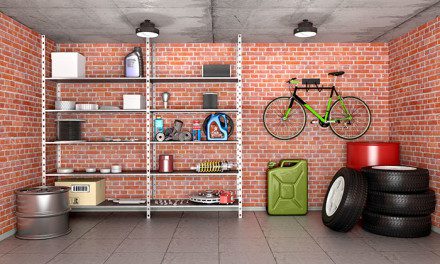
If you’re moving to a new apartment, you may run into a common problem that many others deal with—they need a temporary storage solution for when they’re in between apartments or need extra space.
If you have family or friends in the area, you may be able to use their extra guest room, garage, or attic space for free (or maybe a round of pizza on you). Otherwise, self-storage provides an affordable and convenient solution for people moving out of an apartment.
CHOOSING THE RIGHT STORAGE UNIT
So, how do you find the best storage space for you? Be sure to consider the following storage during your next move:
- Unit size: Storage units range from 5×5 to 10×30. The smallest unit can hold a closet, whereas the larger unit can store the contents of an entire house. If you’re moving out of a two-bedroom apartment, a 10×10 unit may be perfect for you.
- Indoor or outdoor units: Depending on the facility, you’ll likely have the option of keeping your items in an indoor or outdoor unit. Outdoor units offer easy drive-up access, whereas indoor units provide additional protection from the elements.
- Additional unit features: Do you want a temperature-controlled unit? How about built-in cameras? Select units can offer add-ons that can provide even more protection for your stuff.
- Conveniences: A top–of–the–line facility can include a range of features that make it fast and easy to move your things in or out. You should look for a storage facility that offers keypad–controlled access, free courtesy carts, and enhanced security.
8. PACK STRATEGICALLY
When it comes to packing, if you have the funds, ditch the cardboard box for a clear plastic one! This makes them easy to stack and organize while allowing you to see what’s in each box. Especially when it comes to storage, it’s much more convenient to simply find the item you want to pull out without having to open every box.
As you pack, consider creating an inventory. By keeping a list of what items you’re storing and where they’re being kept, you make it easy to store and unpack your things.
For delicate items like artwork or electronics, be sure to pack them carefully, using bubble wrap, packing peanuts, and fragile labels to help keep the items safe.
9. HIRE PROFESSIONAL MOVERS
Want to avoid cajoling friends or family into helping you move your things? Want to skip all of the lifting, loading, and unloading? Then it may be time to hire professional movers.
Moving can be physically demanding. It also takes skills to properly pack a moving van or a storage unit. That’s why we’ve included this tip on our apartment moving-out checklist. If you have the means, hiring a moving team to pick up your items and unload them at your new home or a temporary storage unit is well worth the cost.
Professional movers have the tools and experience to ensure your items are safe in transit and the move is on time.
10. DOCUMENT YOUR MOVE-OUT AND MOVE-IN CONDITIONS
Want to keep your security deposit? Then, documentation is paramount. Whether you’re leaving an old apartment or entering a new one, you must take the time to document the condition of the place.
A move-in or move-out inspection gives you the chance to survey the rooms and make note of any issues that preceded you. Take pictures of any damage in your new place, and make sure you have visual evidence of any problems from your old apartment before moving in.
To make this process even more effective, consider inviting your landlord or property manager to walk the apartment with you. That way, all parties are aware of any issues.
HOW PRICE SELF STORAGE CAN HELP YOU
Getting ready to move from one apartment to a new one? If so, be sure to follow our top 10 apartment moving tips, including:
- Start your moving preparations early
- Pack a bag for moving day
- Search for free moving boxes
- Begin packing items you rarely use
- Use color-coded labels
- Thoroughly mark all boxes
- Find a short-term storage solution
- Pack strategically
- Hire movers
- Document move-in and move-out conditions
This apartment moving checklist will help make your move easier, less stressful, and more successful, so you can quickly start falling in love with your new place.
Need help with number seven on our list? Price Self Storage is your solution. Reach out today to find an option that works for your apartment moving journey.
But above all else, good luck with your move!
Frequently Asked Questions About Moving Apartment Tips
Are you looking for reliable moving apartment advice? Read our frequently asked questions below to learn more.
What should I do first when planning an apartment move?
The first step is to finalize a budget and a moving plan. You’ll also want to decide early on if you need to hire professional movers or invest in a storage unit.
What are the moving day essentials bag and why is it important?
A moving-day essentials bag will contain everything you need on your first day in a new home. This should include a change of clothes, toiletries, snacks, bedding, and toys for the little ones.
How can I save on moving supplies like boxes?
If you’re looking to cut costs and save, consider using items around your house as packing supplies. Towels, t-shirts, and blankets are great alternatives to packing supplies. You can also source boxes on Facebook Marketplace or from local businesses.
What’s a good strategy for packing my apartment items?
You’ll want to start with items you don’t use frequently and slowly make your way through your apartment, room by room. Your everyday essentials should be packed last to avoid disrupting your daily routine.
How should I label my boxes to make unpacking easier?
Pack similar items into the same boxes and label each box clearly using a color-coded system to help streamline the unpacking process. You’ll also want to label fragile boxes to keep these items safe in transit.